-
 Venues
-
 Teams
-
 Events
-
 Games
Venues
Teams
Events
Games
Florida Citrus Sports sells the naming rights to Camping World, a Kentucky RV dealer, in a multi-year sponsorship deal for an undisclosed amount. The deal is met with public complaints about allowing a private organization (Florida Citrus Sports) to sell the rights to a publicly owned stadium without public input and without disclosing the compensation. The city of Orlando had granted Florida Citrus Sports the option to sell the rights after it contributed $6 million toward the $207 million renovation in 2014 and agreed to a new 12-year lease.
Name: Camping World Stadium
Capacity: 60,219
Surface: AstroTurf
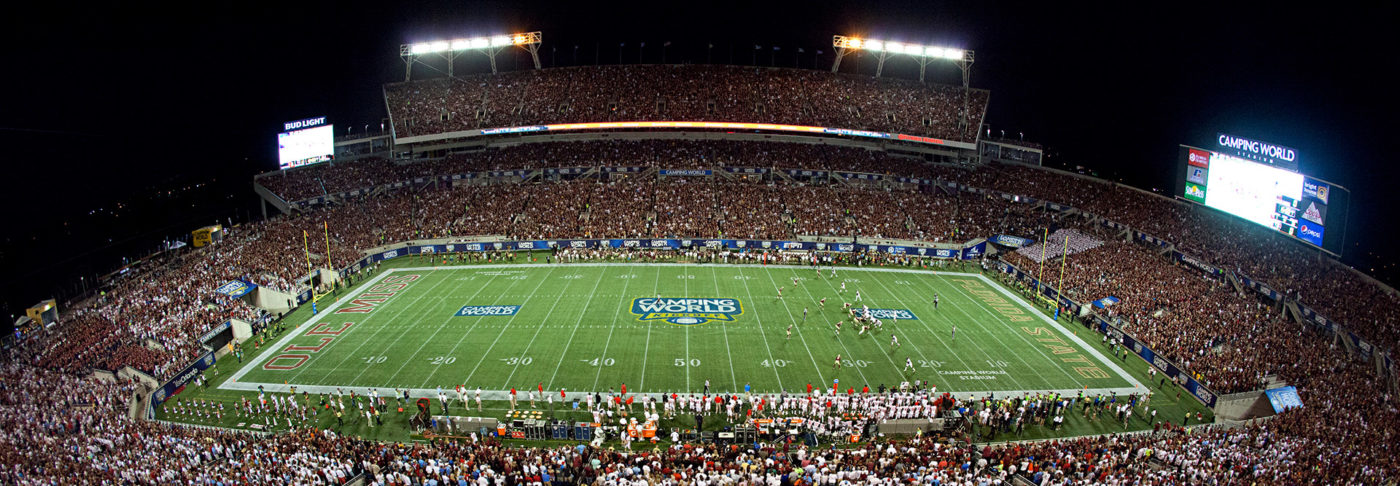
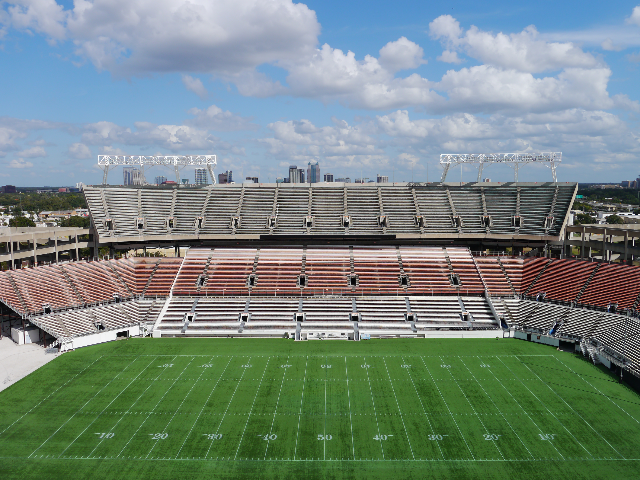
The stadium undergoes a $207 million renovation, completely rebuilding the lower bowl and leaving only the existing upper decks intact. The renovation includes a new 41,000-seat fully enclosed lower bowl with individual chair backs, new luxury seating, and a new main video board on the south endzone with two auxiliary video boards in the north endzone corners.
Name: Florida Citrus Bowl-Orlando
Capacity: 60,219
Surface: AstroTurf
After the 2010 Capital One Bowl showcased a muddy, torn-up field, AstroTurf's GameDay Grass 3D is selected as a replacement.
Name: Florida Citrus Bowl-Orlando
Capacity: 65,438
Surface: AstroTurf
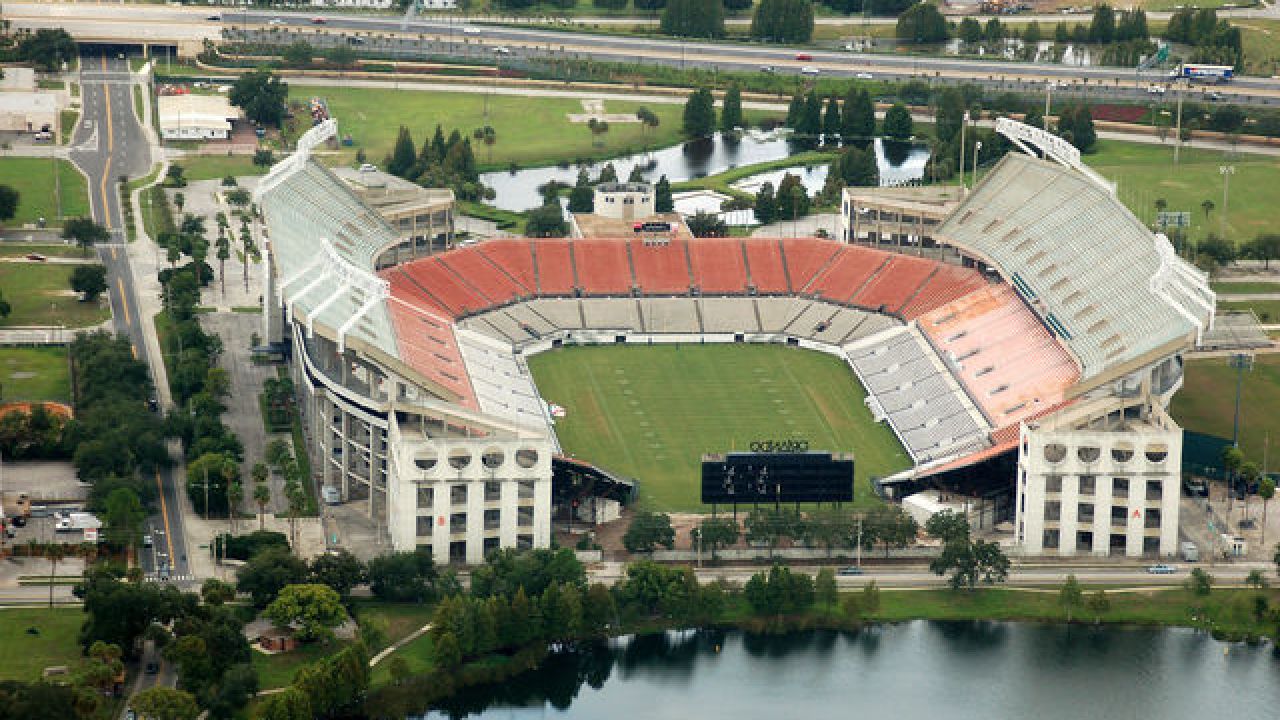
The stadium receives $9 million in renovation funding from a broader $750 million tourism package. The renovation project includes new escalators to the upper levels, new plastic, contoured seats, a new women's locker room, and improvements to the press box.
Name: Florida Citrus Bowl-Orlando
Capacity: 65,438
Surface: Grass
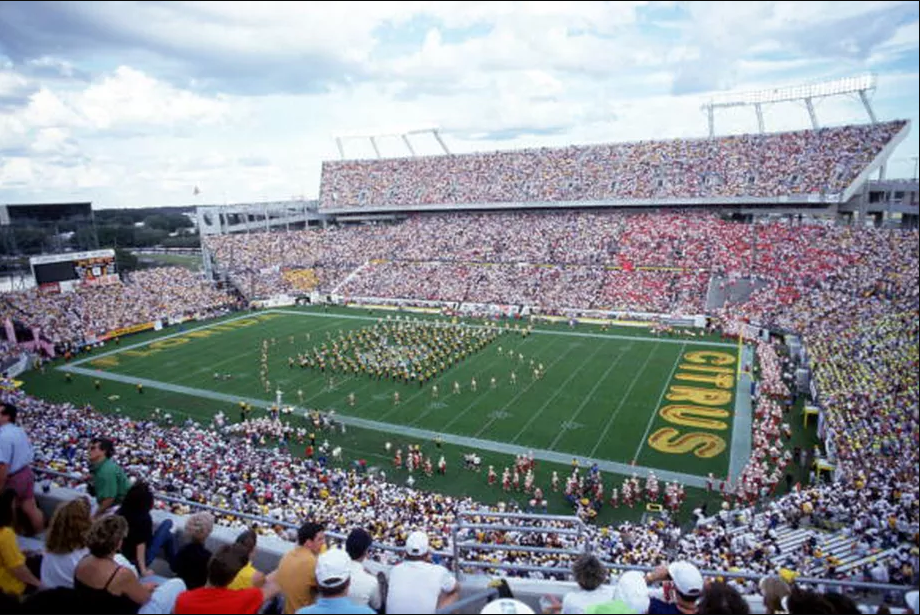
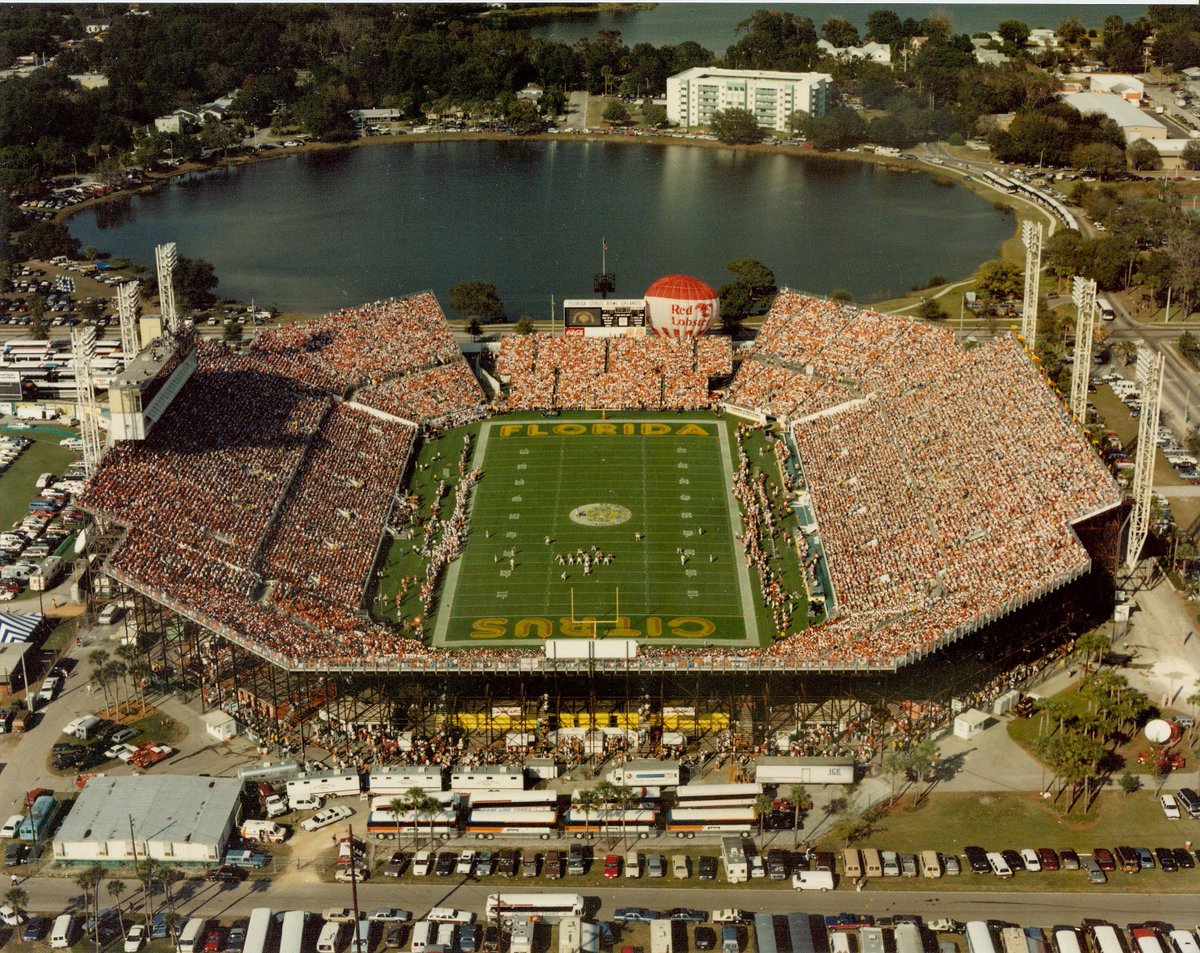
A $38 million dollar major renovation to the stadium increases capacity over 65,000.
Name: Florida Citrus Bowl-Orlando
Capacity: 65,438
Surface: Grass
The Orlando City Council votes to officially change the stadium's name to Florida Citrus Bowl-Orlando. Surprisingly, the change is not the result of any increase in sponsorship payment from the Florida Citrus Commission.
Name: Florida Citrus Bowl-Orlando
Capacity: 50,400
Surface: Grass
Following the five-year sponsorship deal from the Florida Citrus Commission to increase their sponsorship from $50,000 to $250,000 annually for the naming rights to the Tangerine Bowl (game), the city renames the stadium, as it no longer has a connection to the game's new name, the Florida Citrus Bowl.
Name: Orlando Stadium
Capacity: 50,400
Surface: Grass
The poorly constructed upper deck on the east side of the stadium is removed after the city wins a $900,000 settlement with the engineers and architects of the previous expansion project.
Name: Tangerine Bowl
Capacity: 50,000
Surface: Grass
The Orlando City Council takes over control of the ongoing stadium expansion project and reverses the previous decision of the Orange County Civic Facilities Authority to rename the stadium to the Citrus Bowl.
The reversal follows complaints from the community of Inverness, home of Citrus High's 2,000-seat "Citrus Bowl" stadium.
Name: Tangerine Bowl
Capacity: 52,000
Surface: Grass
The Orange County Civic Facility renames the stadium to the Citrus Bowl after decades of unofficially referring to the stadium as the Tangerine Bowl. One of the factors in the decision is the existing Citrus Open annual golf tournament.
Name: Citrus Bowl
Capacity: 52,000
Surface: Grass
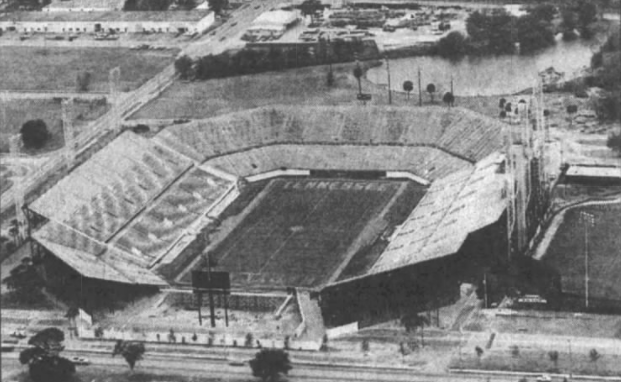
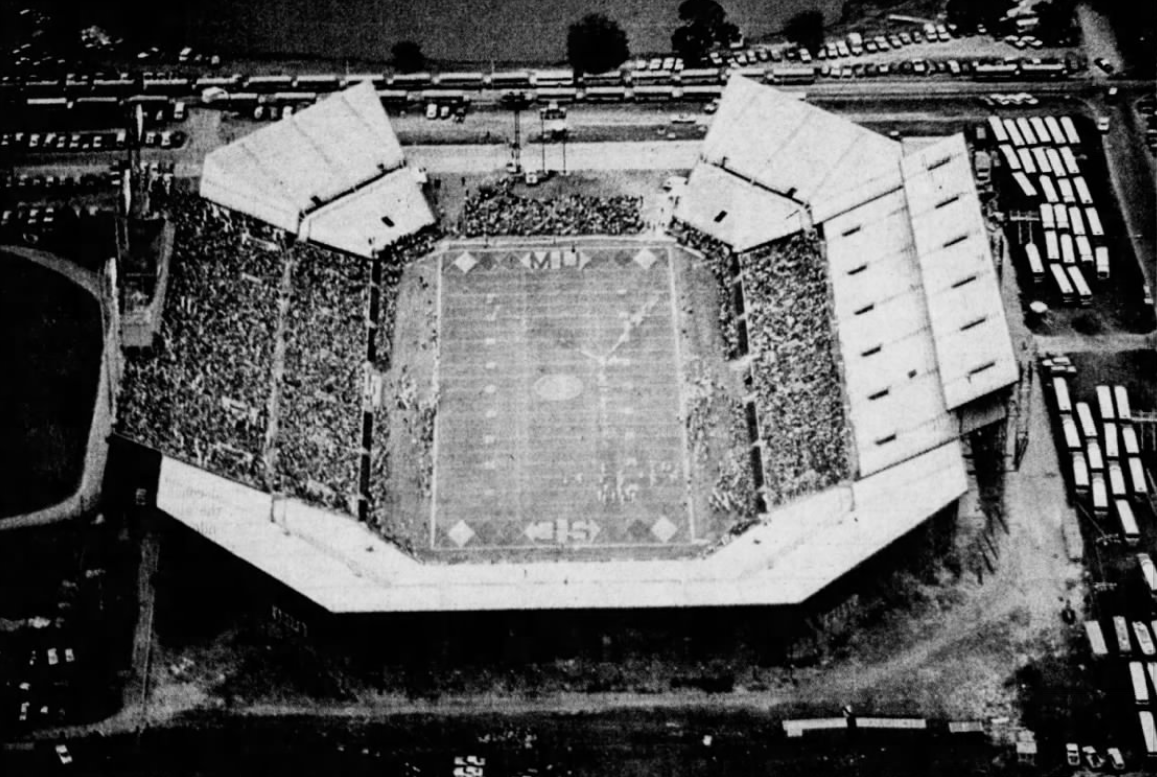
Construction begins on a major renovation to bring capacity over 50,000. The process is hit with major structural and financial problems as the project takes two years to complete. Both sidelines are expanded to the corners and the south endzone is enclosed. A new upper deck is also added to the east sideline.
Name: Tangerine Bowl
Capacity: 52,000
Surface: Grass
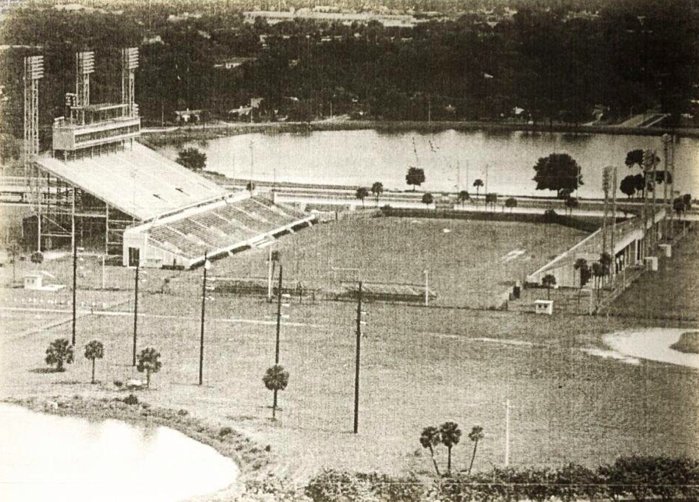
A second deck with a press box is constructed on the west side of the stadium, bringing capacity to 15,900.
Name: Tangerine Bowl
Capacity: 15,900
Surface: Grass
Capacity is increased with the addition of 2,000 seats.
Name: Tangerine Bowl
Capacity: 12,000
Surface: Grass
Although the official name remains the Orlando Municipal Stadium, the use of "Tangerine Bowl" in reference to the stadium itself becomes common after the creation of the Tangerine Bowl Football Classic.
Name: Tangerine Bowl
Capacity: 10,000
Surface: Grass
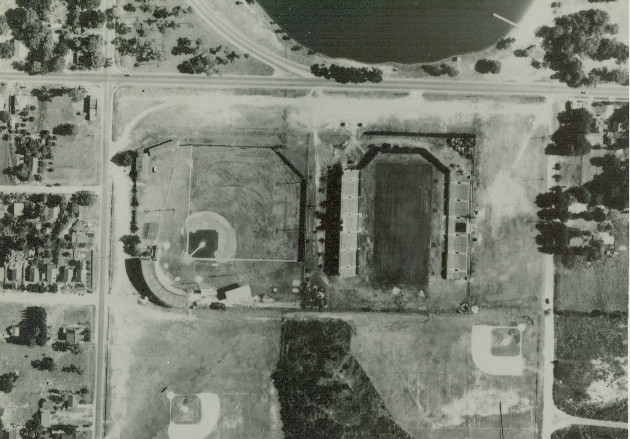
The stadium is constructed in 1936 under the Works Progress Administration at a cost of $115,000 and with an initial capacity of 8,900. It's located next to the existing Tinker Field (baseball), which was built 21 years earlier. The stadium would host its first football game in 1947 for the inaugural Tangerine Bowl.
Name: Orlando Municipal Stadium
Capacity: 8,900
Surface: Grass